Why Australia.
Australia delivers world-ranking universities, generous post-study work rights, and a lifestyle that's hard to beat. The Group of Eight research universities rank among the global best, the Temporary Graduate visa lets you stay and work for 2–4 years, and a points-based system rewards Australian study on the path to permanent residency.
Ask the expertThe Group of Eight
Melbourne, Sydney, ANU, UNSW and the rest of the Go8 rank among the world's top 100 research universities.
2–4 year stay-back
The Temporary Graduate (485) visa lets you work after graduating — longer for regional study and in-demand fields.
Pathway to PR
Australian qualifications and work experience score in the points-based skilled-migration system, with regional incentives.
Lifestyle & safety
Safe, sunny, coastal cities that consistently rank among the world's most liveable, with huge international communities.
Strong graduate pay
High minimum wages mean part-time work pays well, and graduate starting salaries are among the highest in the region.
Search the best
in Australia.
Choose what matters to you. We'll open the university list pre-filtered to exactly that.
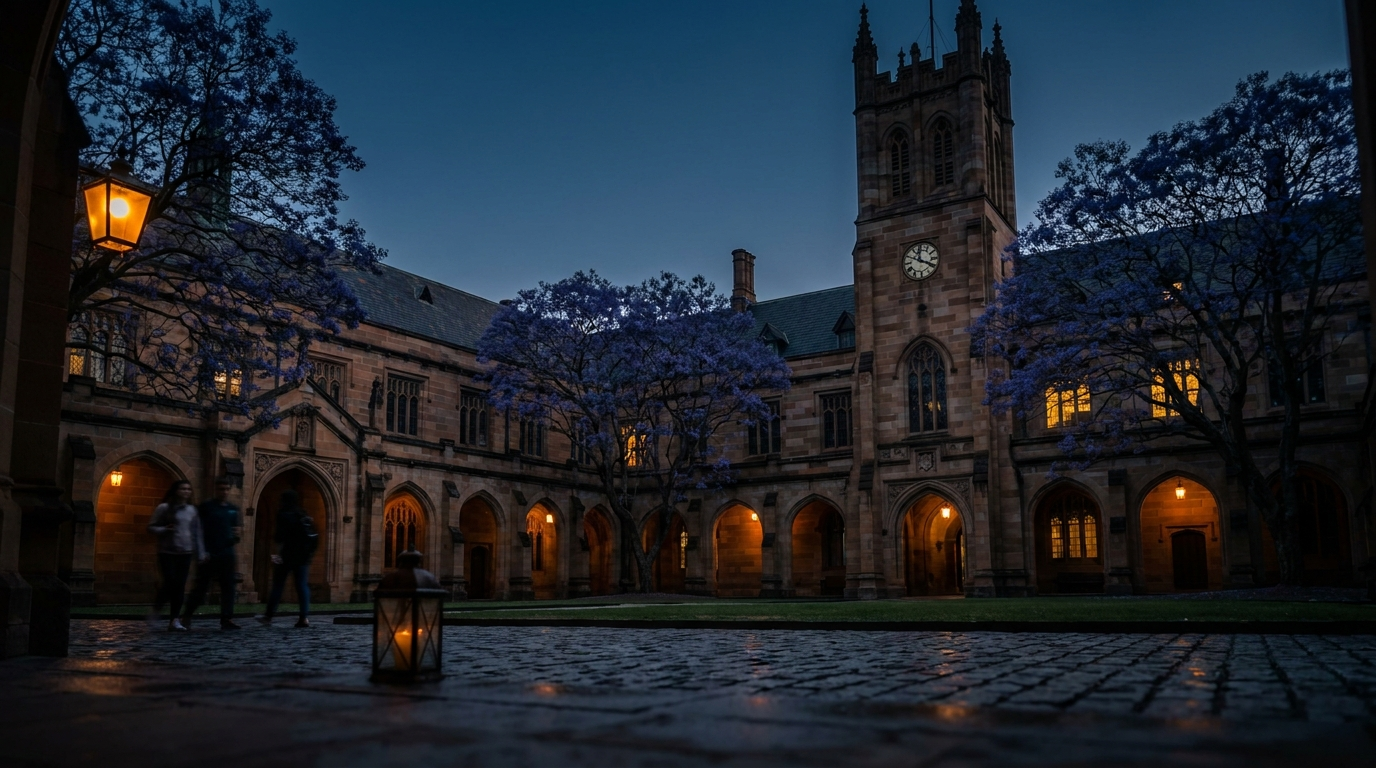 QS #13
When you can
begin.
The main intake — every programme and scholarship open.
A strong second intake at most universities.
What it really
costs.
Australia's high wages help offset its costs, and regional study adds work-rights and PR bonuses. Use this as a planning guide.
* PhDs are frequently funded; regional universities are cheaper and add migration points.
Cost of living
Sydney and Melbourne are dearest; Adelaide, Brisbane, and Perth are gentler and count as regional or near-regional for extra work rights. High part-time wages (AUD 24+/hour) make day-to-day costs very manageable.
Funding that
follows merit.
Where you'll
live & study.

Melbourne
Repeatedly the world's most liveable city — the University of Melbourne and Monash, arts, coffee, and sport.
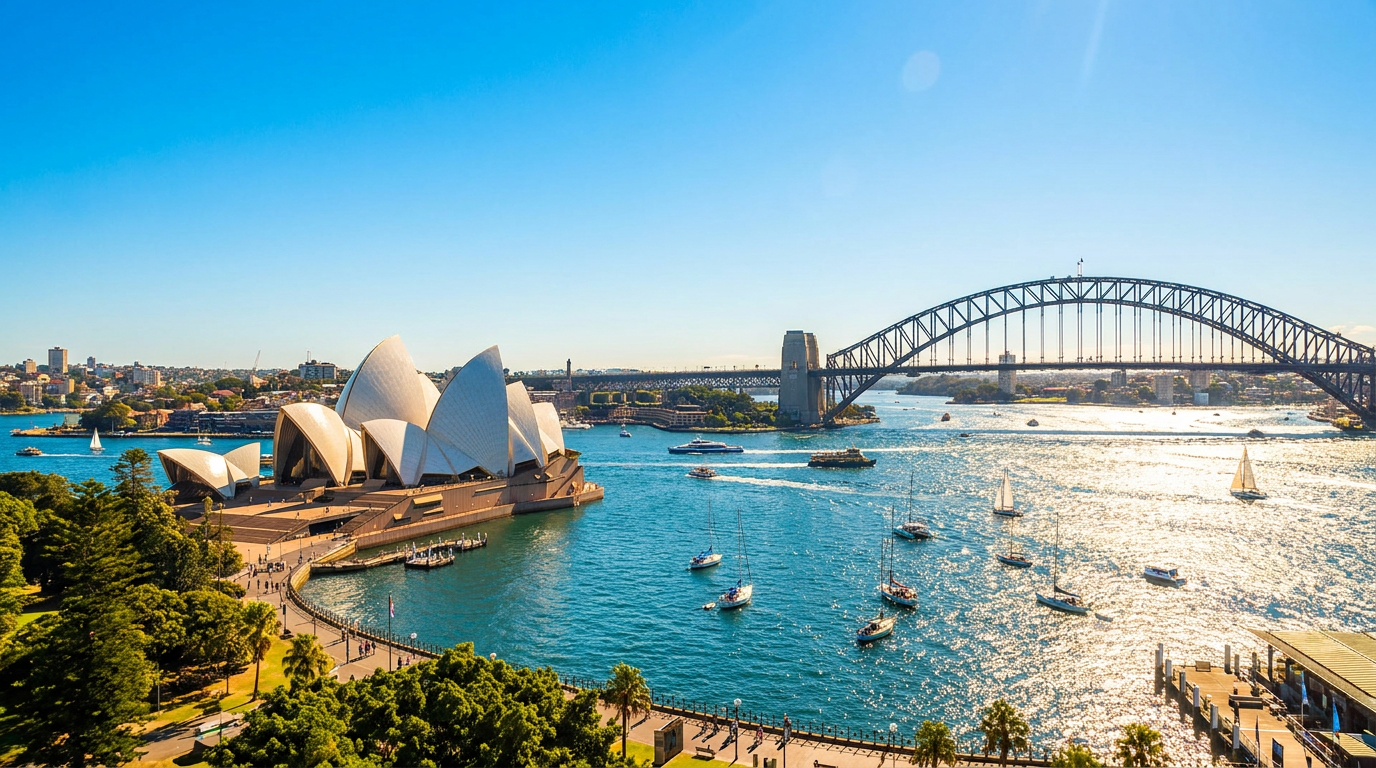
Sydney
USyd and UNSW around one of the world's great harbours — finance, tech, and beaches in equal measure.
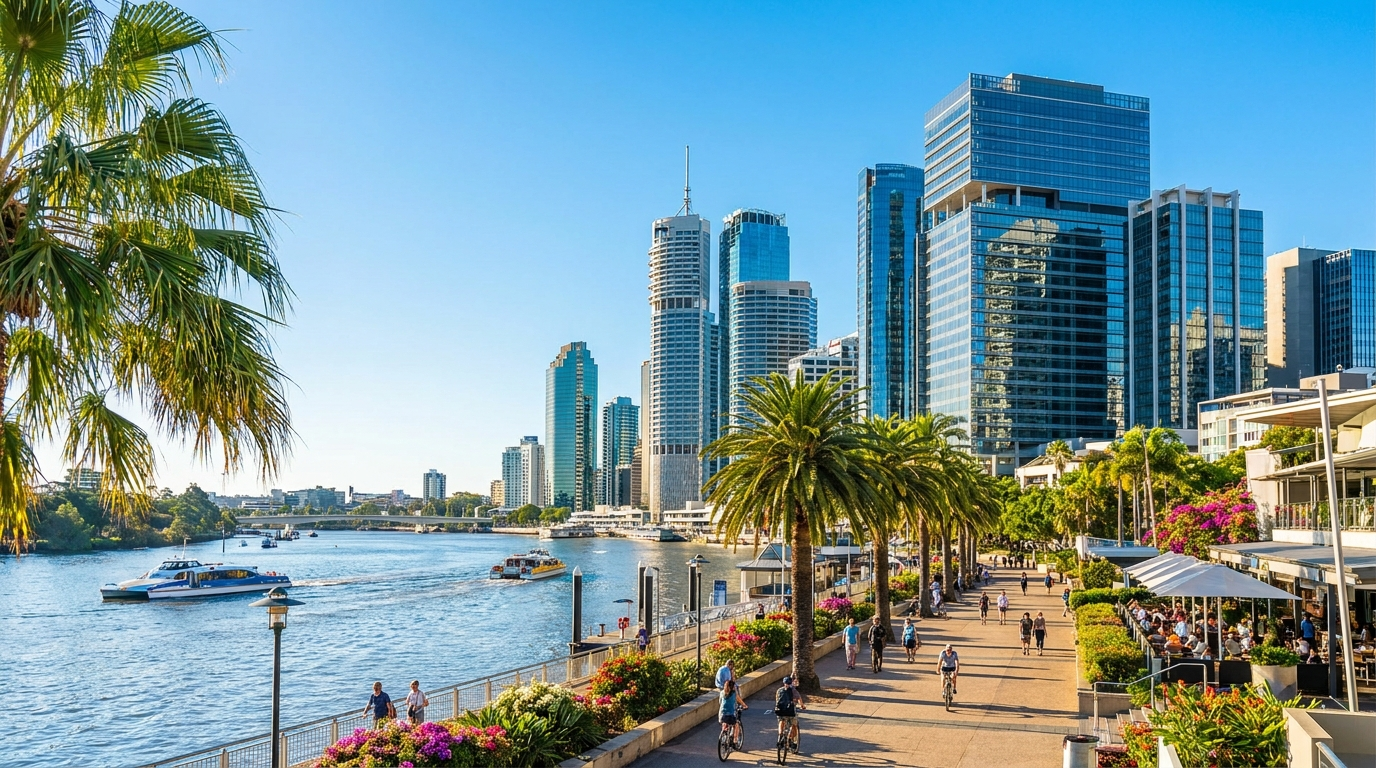
Brisbane
UQ and QUT in a warm, affordable, fast-growing city — extra post-study work time for regional study.
The visa,
step by step.
EHEC manages your visa end-to-end. We assemble your document checklist, open and verify your blocked account, arrange tax-compliant financial proofs, book your embassy appointment, and run mock interviews until you walk in confident.
Ask the expertConfirmation of Enrolment
Accept your offer and receive the electronic CoE — the basis of the Subclass 500 student visa.
GTE & financials
Write a Genuine Temporary Entrant statement and show funds for tuition and living. We prepare both.
Student visa (500)
Apply online with OSHC health cover and biometrics. Most decisions arrive within weeks.
Graduate visa (485)
After graduating, apply for the 2–4 year Temporary Graduate visa to work in Australia.
Tuition is AUD 30,000–50,000/year; living costs run AUD 24,000–29,000/year (the visa savings benchmark). Part-time work at high Australian wages offsets a good share.
Australian cities rank among the world's most liveable and safe, with Overseas Student Health Cover (OSHC) mandatory and arranged before arrival.
Yes — up to 48 hours per fortnight during term and unlimited hours in breaks, at some of the world's highest minimum wages.
The 485 Temporary Graduate visa (2–4 years) plus skilled-migration points and regional incentives make a clear post-study pathway.
Most universities require IELTS/TOEFL/PTE; some accept an MOI letter. We confirm each university's and the visa's English requirements.