Why France.
France blends near-free public tuition with the world-renowned Grandes Écoles — and a fast-growing catalogue of English-taught degrees. Business, engineering, fashion, and the culinary arts lead globally, while a two-year post-study job-search visa and Europe's cultural capital make it a complete experience.
Ask the expertThe Grandes Écoles
HEC, Polytechnique, Sciences Po and the Grandes Écoles sit among the world's elite for business, engineering, and policy.
Near-free public tuition
Public universities charge €170–650/year; English-taught Grandes Écoles cost more but offer generous scholarships.
Two-year job-search visa
Master's graduates get a 2-year residence permit to find work or launch a business in France.
English-taught & growing
Over 1,500 English-taught programmes now run across business, engineering, and the sciences — no French needed to start.
Culture as a classroom
Paris, Lyon, and the Riviera — design, gastronomy, and the arts studied where they were invented.
Search the best
in France.
Choose what matters to you. We'll open the university list pre-filtered to exactly that.
 QS #41
When you can
begin.
The main intake — all programmes; Grandes Écoles close early via parallel admissions.
A smaller intake at some business and engineering schools.
What it really
costs.
Public tuition is among the lowest in the developed world; private schools cost more but pay back in prestige. Use this as a planning guide.
* Public-university tuition is symbolic; Grandes Écoles cost more but offer scholarships and elite outcomes.
Cost of living
Paris is the outlier; Toulouse, Lille, and Bordeaux are far gentler. CROUS-subsidised housing and €3.30 student-restaurant meals, plus housing aid (CAF) open to internationals, stretch a budget a long way.
Funding that
follows merit.
Where you'll
live & study.
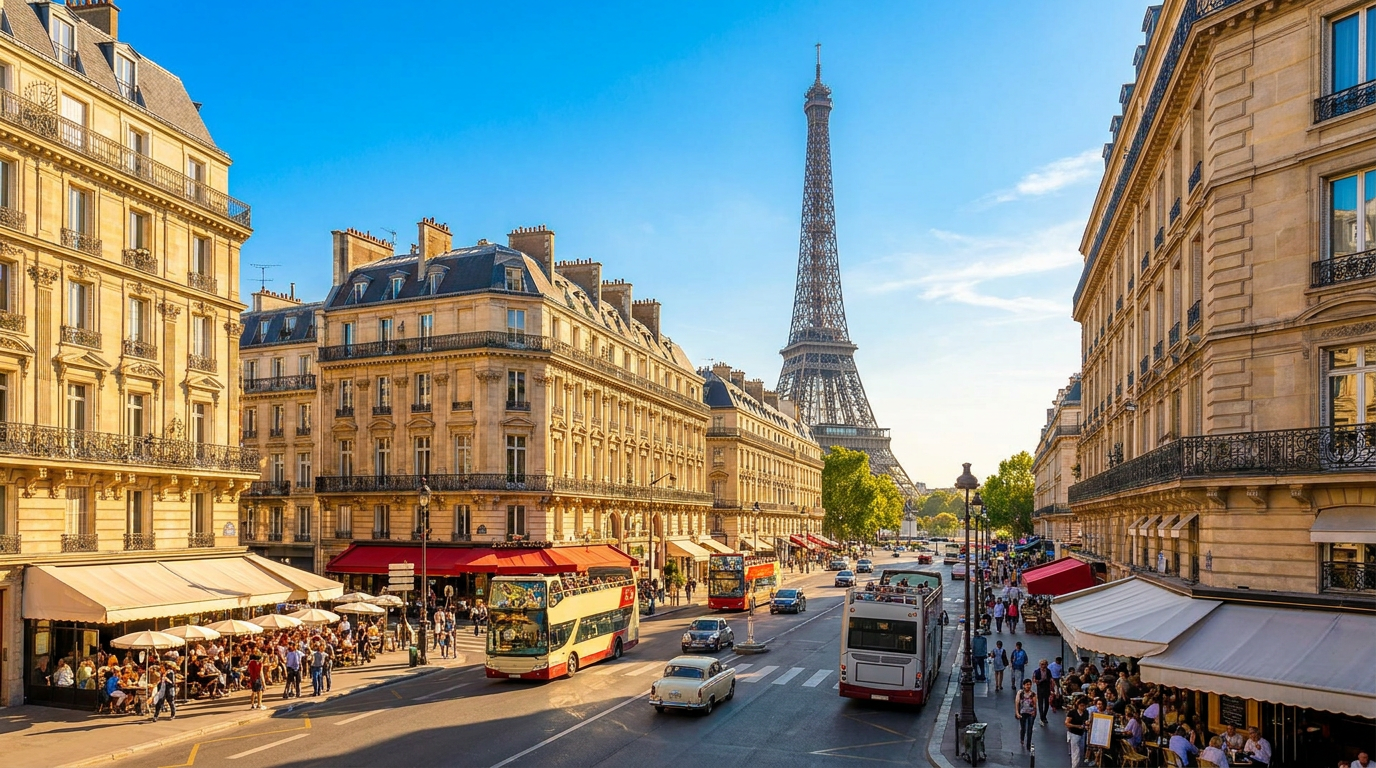
Paris
Sorbonne, HEC, Sciences Po — the world's top student city for art, fashion, and ideas.
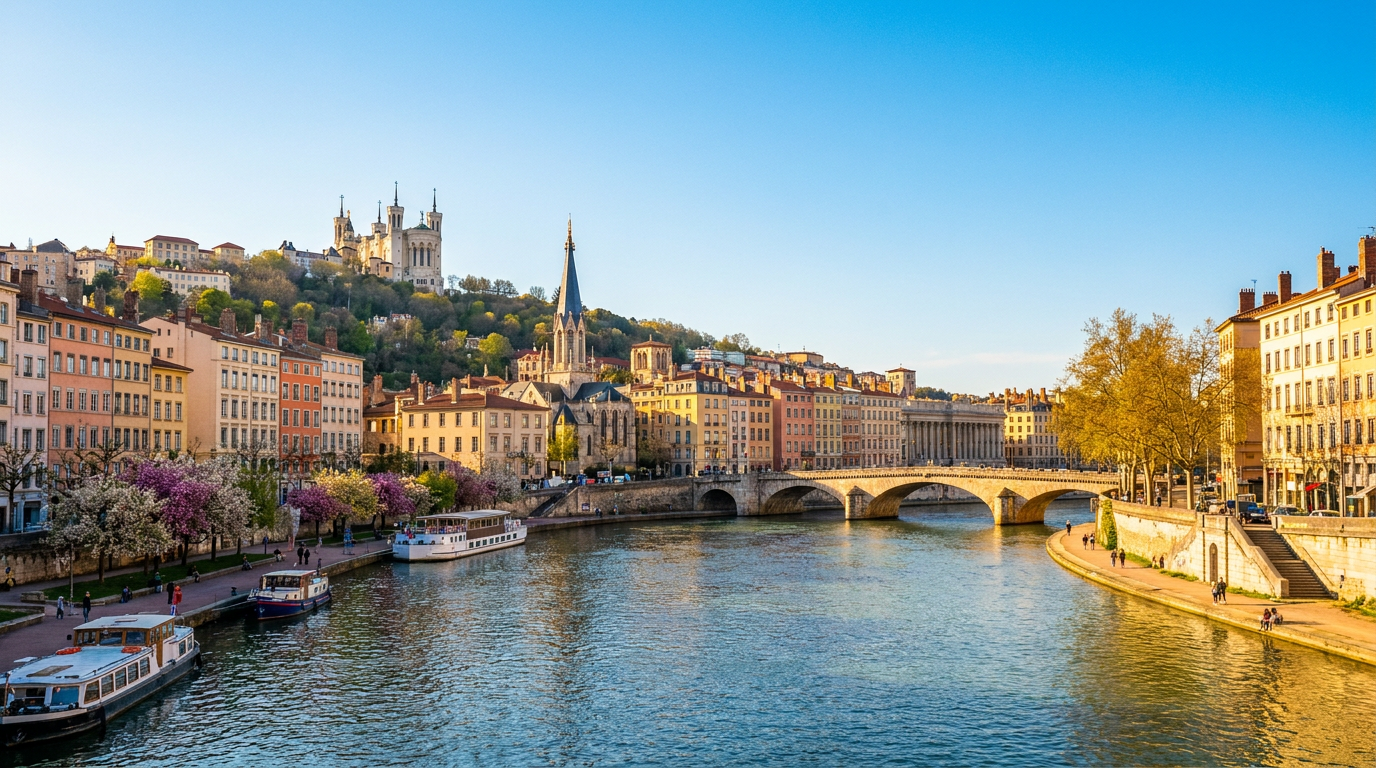
Lyon
France's gastronomic capital — strong engineering and business schools, cheaper than Paris, Alps nearby.
Toulouse
Europe's aerospace capital (Airbus HQ) — sunny, affordable, and a major engineering-student city.
The visa,
step by step.
EHEC manages your visa end-to-end. We assemble your document checklist, open and verify your blocked account, arrange tax-compliant financial proofs, book your embassy appointment, and run mock interviews until you walk in confident.
Ask the expertCampus France
Apply through the Campus France 'Études en France' portal — the mandatory pre-consular step for most countries.
Acceptance & funds
Secure admission and show ~€615/month of funds. We prepare your financial file.
VLS-TS student visa
Attend your visa appointment; validate the long-stay visa online within 3 months of arrival.
Job-search permit
Master's graduates apply for the 2-year APS permit to work or start a business in France.
Public tuition is €170–650/year; private Grandes Écoles €10,000–25,000/year. Living costs run €800–1,200/month, higher in Paris. The CROUS system subsidises housing and meals.
France has comprehensive student healthcare (around €20/month top-up), reliable transport, and large international communities in every university city.
Yes — up to 964 hours/year (about 20 hours/week), and France's minimum wage makes part-time work worthwhile.
The 2-year post-study permit plus strong demand in luxury, engineering, and tech make outcomes solid — French helps but isn't always required.
Not for English-taught programmes, but A2–B1 French transforms daily life and job prospects. We build language prep into the plan.