Why Hungary.
Hungary combines low costs, historic universities, and one of the world's most generous scholarship schemes — the Stipendium Hungaricum, which fully funds thousands of international students each year. Budapest's beauty and a strong tradition in medicine and engineering make it a standout-value destination.
Ask the expertStipendium Hungaricum
One of the world's most generous government schemes — full tuition, a monthly stipend, accommodation, and insurance for thousands yearly.
Medicine & engineering
English-medium medical and engineering programmes at Semmelweis, BME, and Debrecen draw students worldwide.
Budapest, the Danube pearl
Study in one of Europe's most beautiful capitals — thermal baths, grand architecture, and a vibrant student scene.
Low cost of living
Among the EU's most affordable countries, so even self-funded study stretches a long way.
Central & connected
In the heart of Europe and the Schengen zone, with cheap travel to a dozen capitals.
Search the best
in Hungary.
Choose what matters to you. We'll open the university list pre-filtered to exactly that.
When you can
begin.
The main intake — all programmes; the Stipendium Hungaricum deadline falls in January.
A smaller second intake at some universities.
What it really
costs.
Hungary is affordable self-funded and free for scholarship winners. Use this as a planning guide.
* The Stipendium Hungaricum covers tuition, stipend, housing, and insurance for selected students.
Cost of living
Budapest is the priciest — and still cheap by EU standards. Debrecen, Szeged, and Pécs are cheaper still and full of students. Low rents, inexpensive food, and the Stipendium scholarship make Hungary outstanding value.
Funding that
follows merit.
Where you'll
live & study.

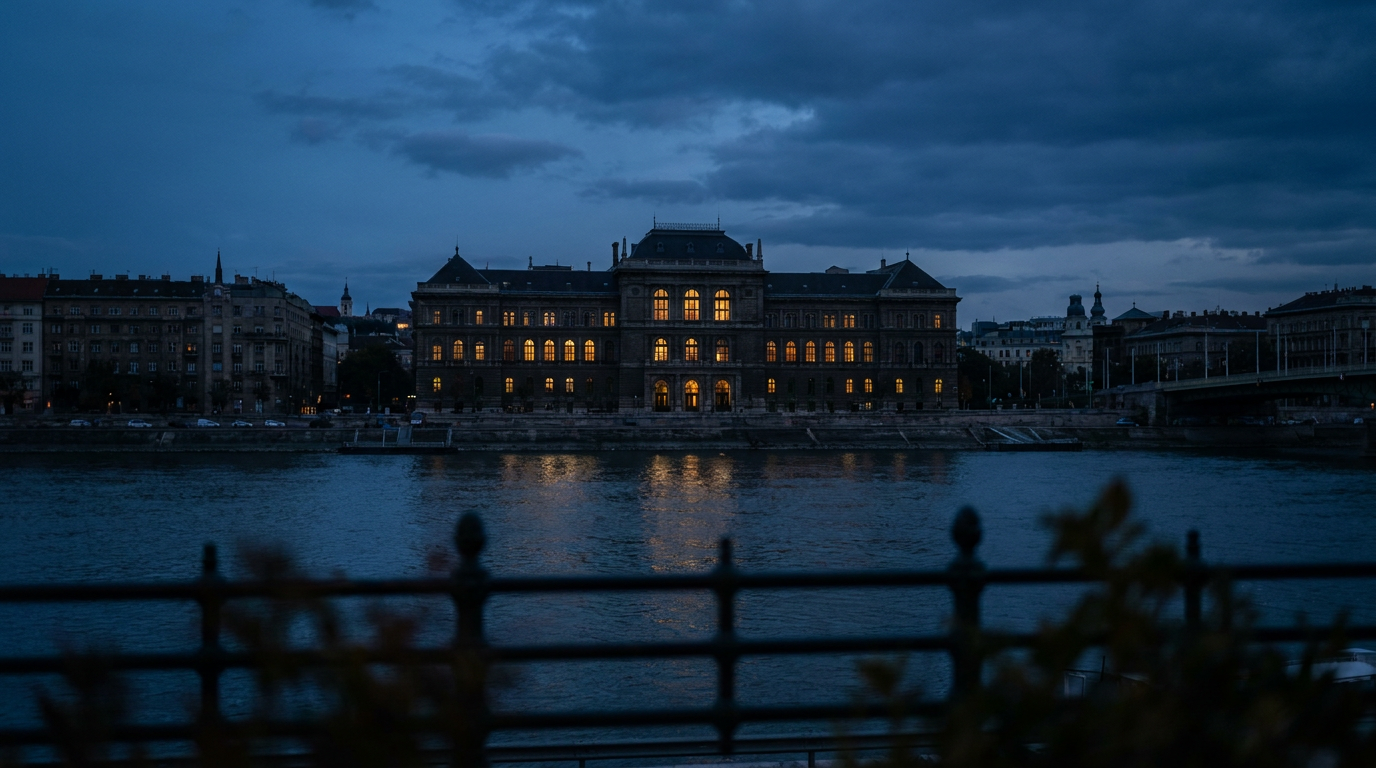
Budapest
Semmelweis, BME, and ELTE in a breathtaking capital — thermal baths, ruin bars, and grand boulevards.
Debrecen
The University of Debrecen — a major destination for English-medium medicine, affordable and student-focused.
Szeged
Hungary's sunniest city and a classic student town around the University of Szeged — strong in sciences.
The visa,
step by step.
EHEC manages your visa end-to-end. We assemble your document checklist, open and verify your blocked account, arrange tax-compliant financial proofs, book your embassy appointment, and run mock interviews until you walk in confident.
Ask the expertAdmission / scholarship
Secure your place or Stipendium Hungaricum award — the basis of the residence permit.
Proof of funds
Show funds for living (or your scholarship letter). We prepare the documentation.
Residence permit for study
Apply at the Hungarian consulate; collect your residence permit after arrival.
Stay & work
Graduates can seek work in Hungary's growing economy, with EU mobility opening more options.
Self-funded tuition is €1,500–8,000/year (more for medicine); living runs €500–800/month. The Stipendium Hungaricum can cover everything for selected students.
Hungarian university cities are safe and welcoming, with student healthcare and well-established international communities, especially in medicine.
Yes — up to 24 hours/week during term and full-time in holidays; the low cost of living means earnings go far.
A growing automotive, tech, and shared-services economy plus EU access make outcomes good; Hungarian helps for local roles.
Not for English-medium programmes. Hungarian is difficult but optional; basic phrases help daily life. We plan support.