Why Greece.
Greece — the birthplace of the academy itself — now offers affordable, English-taught programmes in Athens and Thessaloniki, low living costs, and an unbeatable Mediterranean lifestyle. Strong in classics, shipping, archaeology, and the sciences, with EU access and a sun-soaked student experience.
Ask the expertLow-cost EU study
Public universities are free or low-cost for EU students and affordable for others, with some of Europe's lowest living costs.
English-taught & rising
A growing set of English-taught programmes at Athens, Thessaloniki, and Crete — classics, shipping, and the sciences.
The original academy
Study where Plato founded the Academy — classics, philosophy, and archaeology at their living source.
Mediterranean lifestyle
Sun, sea, islands, and a warm, social culture — one of Europe's most rewarding places to be a student.
Shipping & sciences
Greece leads the world in shipping and maritime studies, with strong programmes in engineering and the sciences too.
Search the best
in Greece.
Choose what matters to you. We'll open the university list pre-filtered to exactly that.
When you can
begin.
The main intake — all programmes; international rounds vary by university.
A smaller second intake at some universities.
What it really
costs.
Greece is low-cost across tuition and living, with a Mediterranean lifestyle. Use this as a planning guide.
* EU students often study free; non-EU public tuition stays low by European standards.
Cost of living
Athens is the priciest — and still affordable by EU standards. Thessaloniki, Patras, and the islands are cheaper still. Low rents, cheap food, and a sunny outdoor life make Greece exceptional value for the lifestyle.
Funding that
follows merit.
Where you'll
live & study.
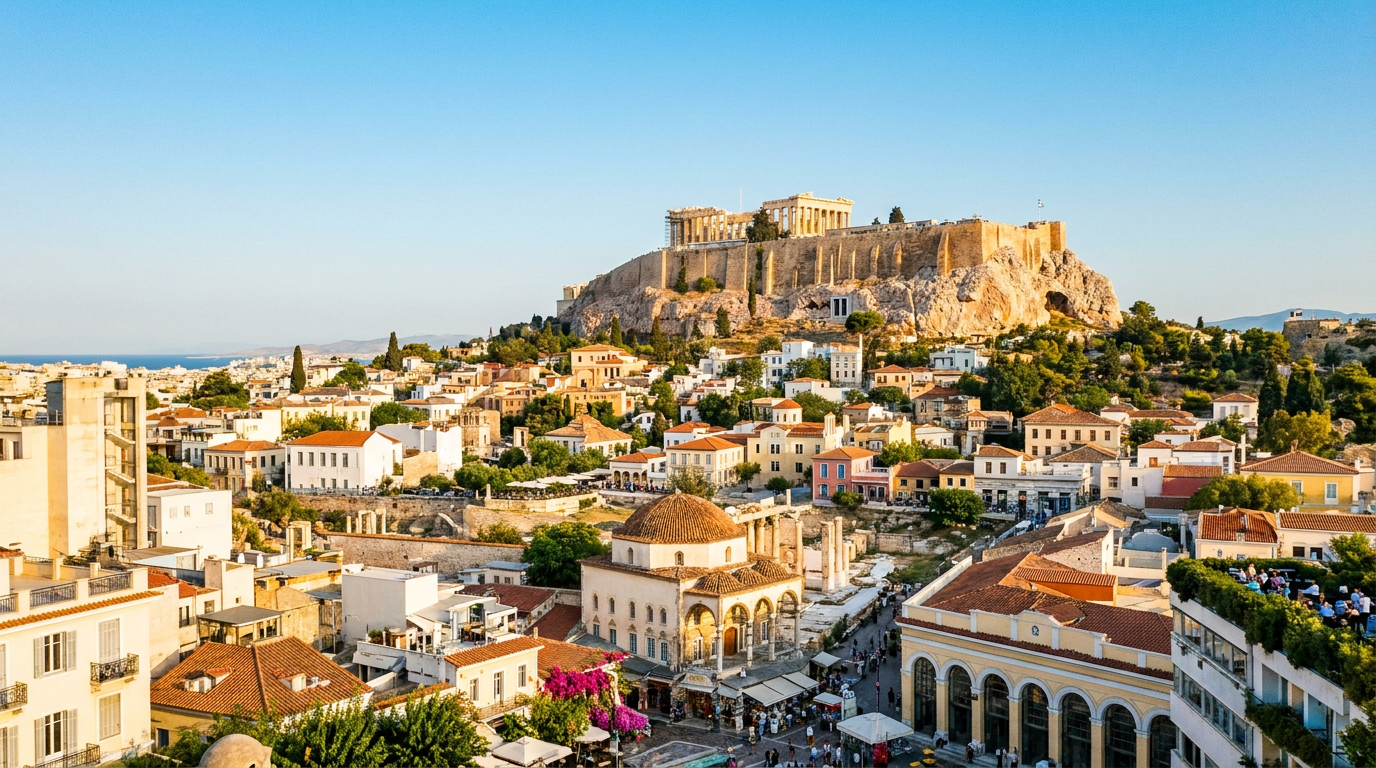
Athens
The National and Kapodistrian University in the cradle of Western thought — history, sun, and a buzzing capital.
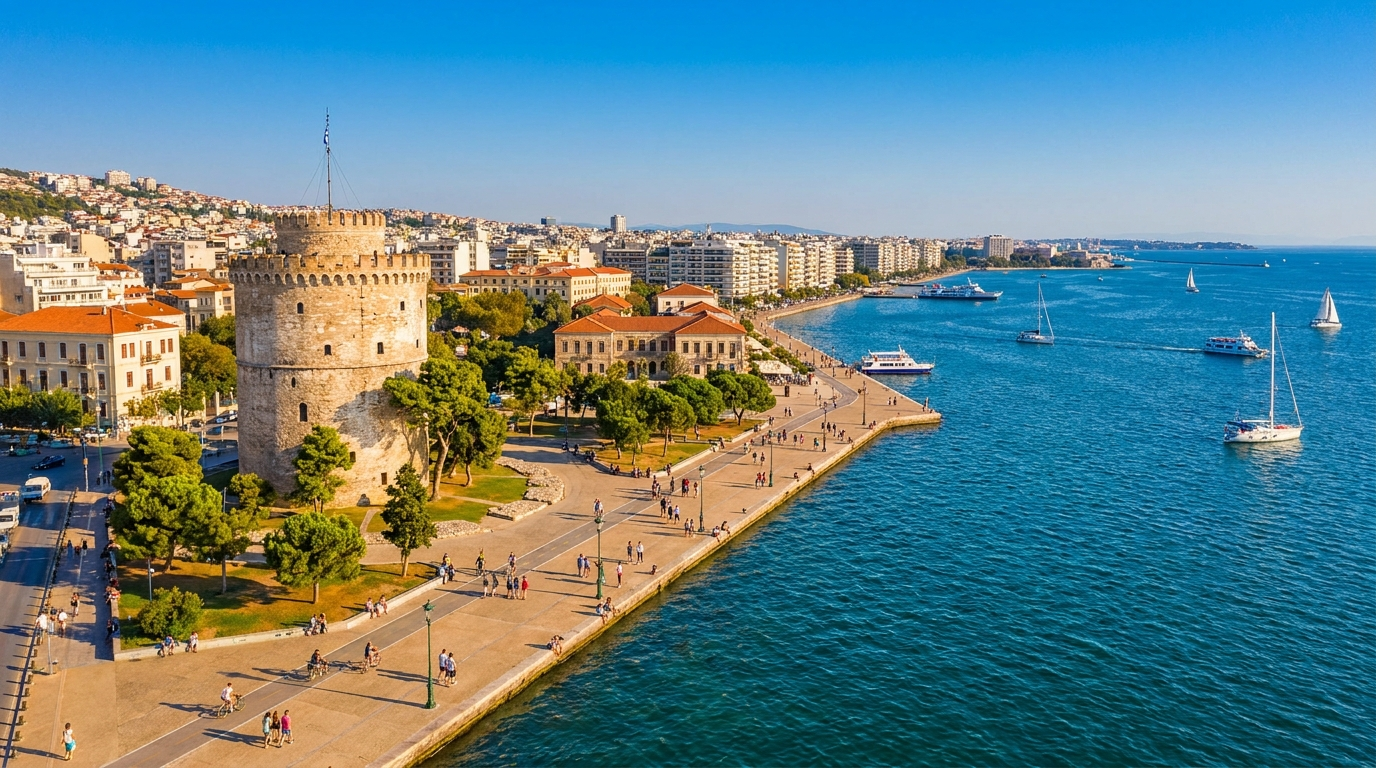
Thessaloniki
Aristotle University — the largest in the Balkans — in a lively, affordable seaside student city.
Heraklion
The University of Crete and FORTH research institute — science and archaeology on a sun-drenched island.
The visa,
step by step.
EHEC manages your visa end-to-end. We assemble your document checklist, open and verify your blocked account, arrange tax-compliant financial proofs, book your embassy appointment, and run mock interviews until you walk in confident.
Ask the expertAdmission letter
Secure your university place — the basis of the national (type D) student visa.
Proof of funds
Show around €600/month for your stay. We prepare the documentation.
Student visa & permit
Apply at the Greek consulate, then obtain a residence permit for study after arrival.
Stay & work
Graduates can seek work in tourism, shipping, and tech, with EU mobility opening more options.
EU students often study free; non-EU public tuition is €1,500–4,000/year. Living runs €600–900/month — among the lowest in the EU. Athens and the islands vary.
Greek university cities are safe and famously hospitable, with student healthcare and welcoming communities; English is common on campus and in tourism.
Yes — students may work part-time, and the low cost of living plus a large tourism sector make earnings useful.
Tourism, shipping, and a recovering tech scene plus EU access shape outcomes; Greek helps for local roles, English for shipping and tourism.
Not for English-taught programmes. Greek helps daily life and local jobs; many students pick up the basics quickly. We plan support.