Why Switzerland.
Switzerland punches far above its size: ETH Zürich and EPFL rank among the world's top ten, public tuition stays remarkably low (around CHF 1,500/year), and graduates earn the highest starting salaries in Europe. Add finance, pharma, and hospitality industries on your doorstep — and the Alps for the weekend.
Ask the expertETH & EPFL
Two of the world's top-ten universities for engineering, technology, and the natural sciences — at public-university tuition.
Low tuition, high return
Public tuition is around CHF 1,500/year, while Swiss graduate salaries are the highest in Europe.
Industry on the doorstep
Finance in Zürich, pharma in Basel (Roche, Novartis), the UN and CERN in Geneva — research and internships at the source.
Hospitality, world-leading
Switzerland's hotel-management schools (EHL, Glion, Les Roches) are the global gold standard for hospitality careers.
Multilingual & central
German, French, Italian, and English programmes in the heart of Europe — every capital a short train away.
Search the best
in Switzerland.
Choose what matters to you. We'll open the university list pre-filtered to exactly that.
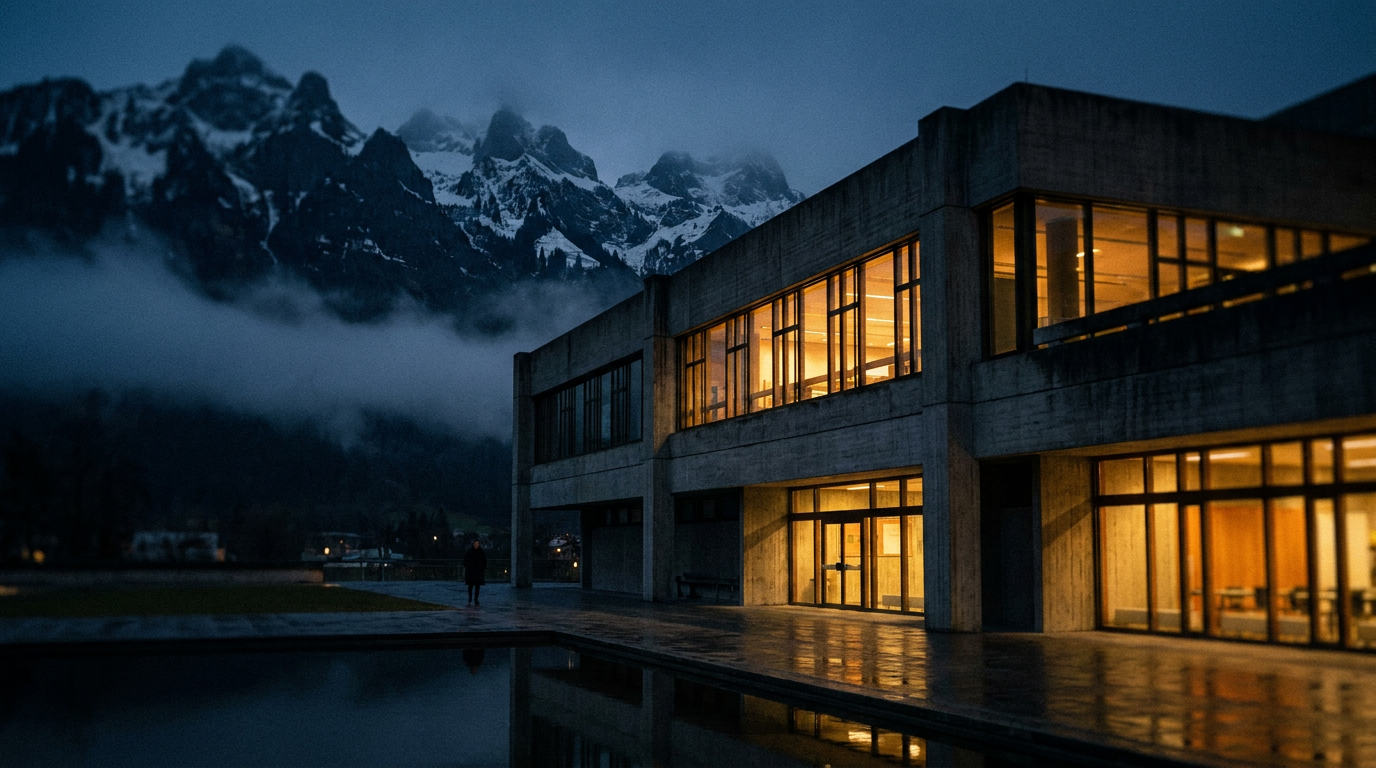 QS #7
QS #7When you can
begin.
The main intake at ETH, EPFL, and the cantonal universities.
A smaller intake at some universities and hospitality schools.
What it really
costs.
Tuition is low; living is high but so are wages and outcomes. Use this as a planning guide.
* PhD candidates are employed and salaried; hospitality schools are private and premium.
Cost of living
Switzerland is Europe's most expensive country to live in — but tuition is tiny, part-time wages are CHF 25+/hour, and graduate salaries the highest on the continent. Budget carefully and the maths works in your favour.
Funding that
follows merit.
Where you'll
live & study.
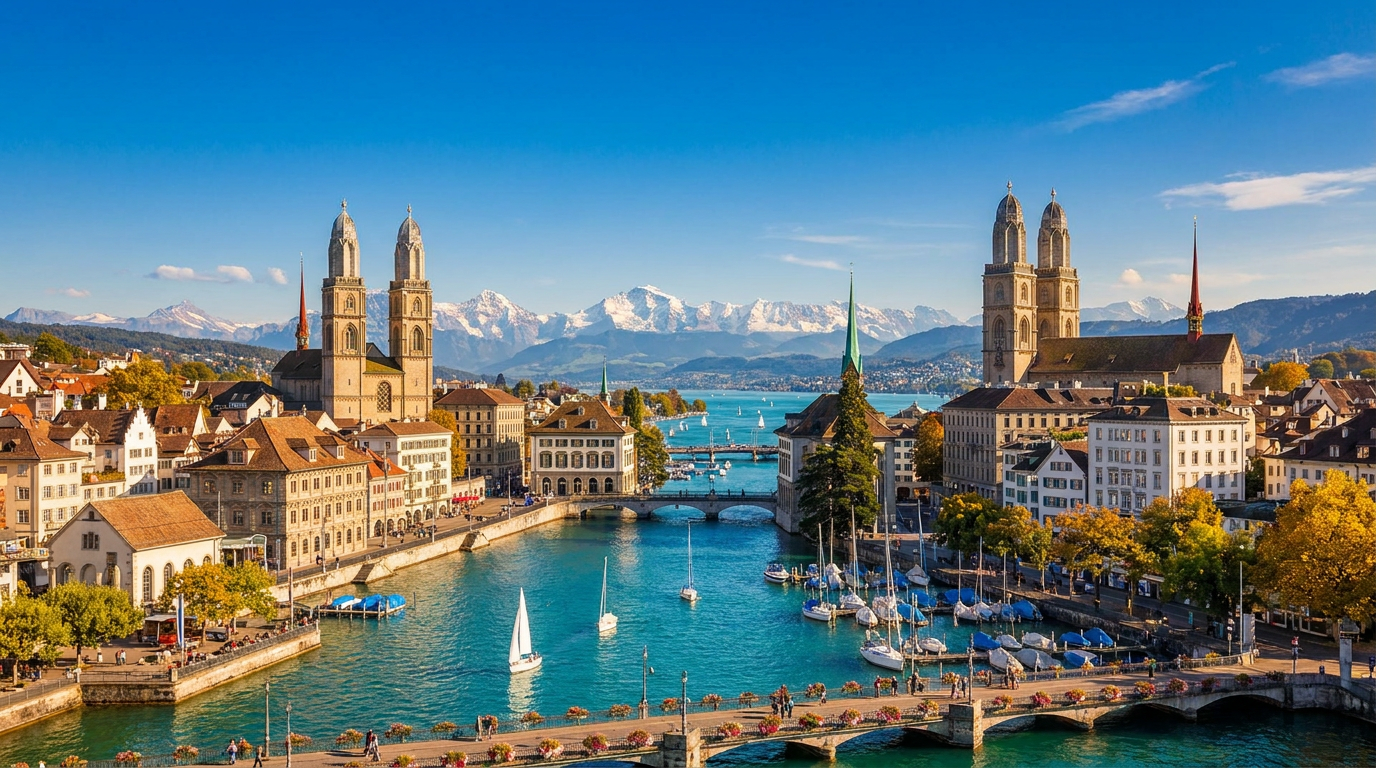
Zürich
Home of ETH Zürich and global finance — consistently ranked among the world's most liveable cities.
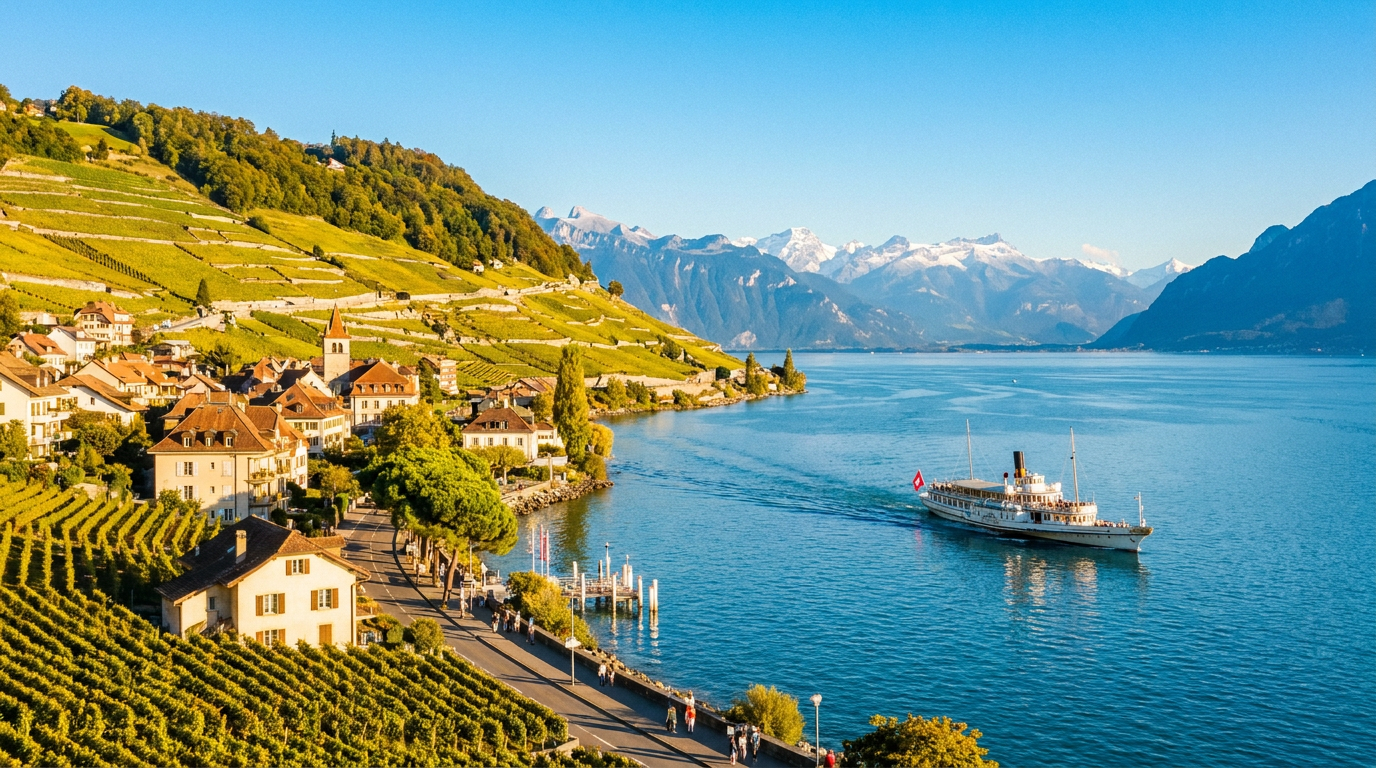
Lausanne
EPFL on the shores of Lake Geneva — French-speaking, the Olympic capital, hospitality schools nearby.
Geneva
The UN's European seat and CERN — international relations, science, and diplomacy at the source.
The visa,
step by step.
EHEC manages your visa end-to-end. We assemble your document checklist, open and verify your blocked account, arrange tax-compliant financial proofs, book your embassy appointment, and run mock interviews until you walk in confident.
Ask the expertAdmission letter
Secure your place at ETH, EPFL, or a cantonal university — the basis of the residence permit.
Proof of funds
Show around CHF 21,000/year in available funds. We prepare your financial documentation.
Student residence permit
Apply at the Swiss consulate (Type D visa), then register with the cantonal migration office on arrival.
6-month job search
Graduates receive a 6-month permit to find skilled work in Switzerland.
Public tuition is CHF 1,000–4,000/year. Living costs are high (CHF 1,800–2,500/month), but graduate salaries and part-time pay are correspondingly the highest in Europe.
Switzerland is one of the safest, cleanest, most orderly countries in the world, with excellent (mandatory) health insurance and world-class public transport.
Yes — up to 15 hours/week during term (after a 6-month wait for non-EU students) and full-time in holidays, at very high Swiss wages.
Non-EU graduates get 6 months to find a job; Switzerland's finance, pharma, and tech sectors actively recruit ETH and EPFL graduates.
Master's and PhD programmes are widely English-taught; bachelor's often need German or French. We match you to English-taught options where needed.