Why Italy.
Italy pairs low public tuition with world-leading programmes in design, fashion, architecture, and economics — taught across twenty UNESCO-listed cities. Bocconi and Politecnico di Milano rank globally, English-taught degrees are expanding fast, and income-scaled tuition makes it one of Europe's best-value destinations.
Ask the expertBocconi & Politecnico
Bocconi for economics and finance, Politecnico di Milano for design and engineering — both ranked among the world's best.
Income-scaled tuition
Public tuition is set by family income (ISEE) — often €900–2,500/year, with regional grants and fee waivers for internationals.
Design & fashion capital
Milan and Florence are the global homes of fashion, design, and the arts — studied where the industry actually lives.
English-taught & growing
Over 600 English-taught programmes now run, especially in business, engineering, and design — no Italian needed to start.
One-year job-search permit
Graduates can convert their permit to a 12-month job-search/self-employment stay in Italy.
Search the best
in Italy.
Choose what matters to you. We'll open the university list pre-filtered to exactly that.
When you can
begin.
The main intake — all programmes; some have early competitive deadlines.
A smaller intake at some universities and private schools.
What it really
costs.
Italy is one of Europe's best-value destinations — income-scaled public tuition keeps costs low. Use this as a planning guide.
* Public tuition scales with family income (ISEE); PhDs come with a salaried scholarship.
Cost of living
Milan is the priciest; Bologna, Turin, and Padua are far gentler and full of students. Income-scaled tuition, regional DSU grants (which can cover fees, housing, and meals), and €700-a-month living in smaller cities make Italy exceptional value.
Funding that
follows merit.
Where you'll
live & study.
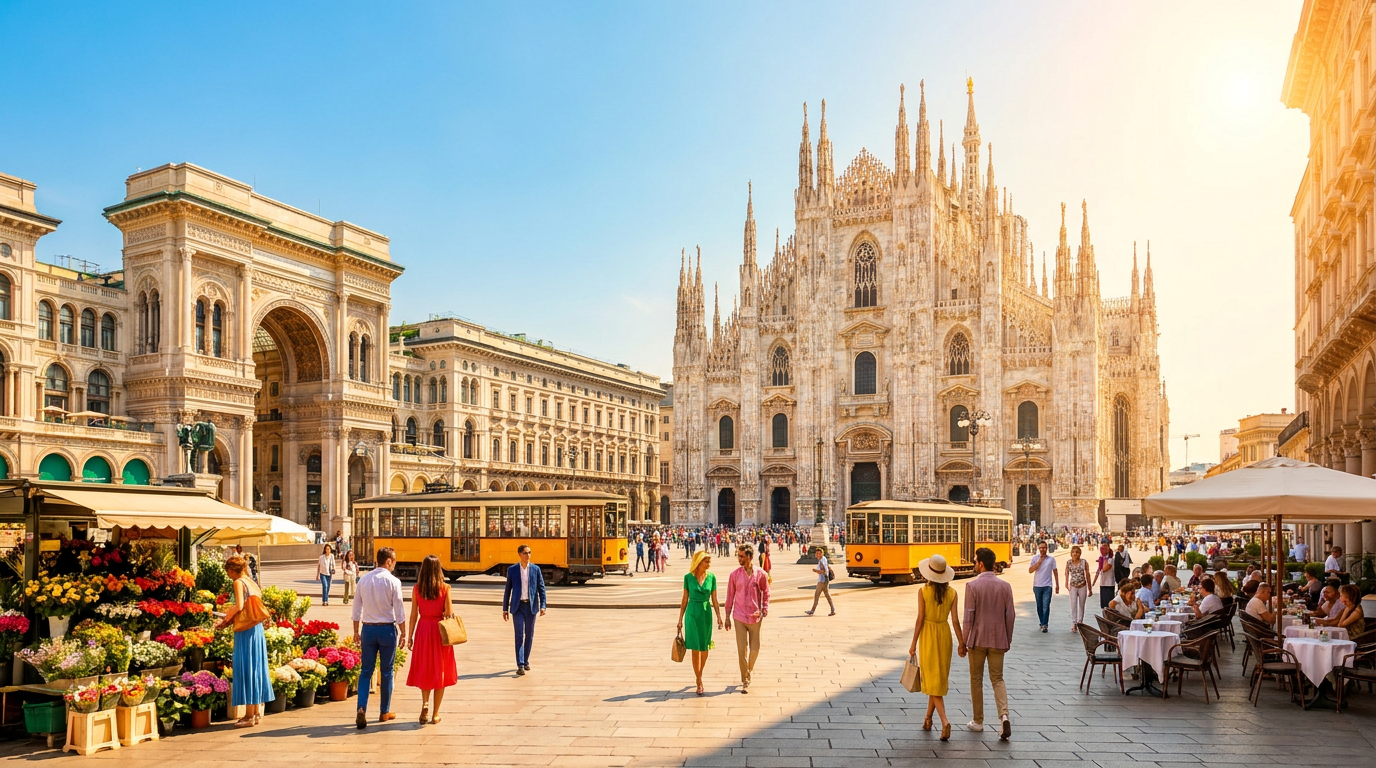
Milan
Bocconi and Politecnico in Italy's design and finance capital — fashion, business, and engineering at the top.
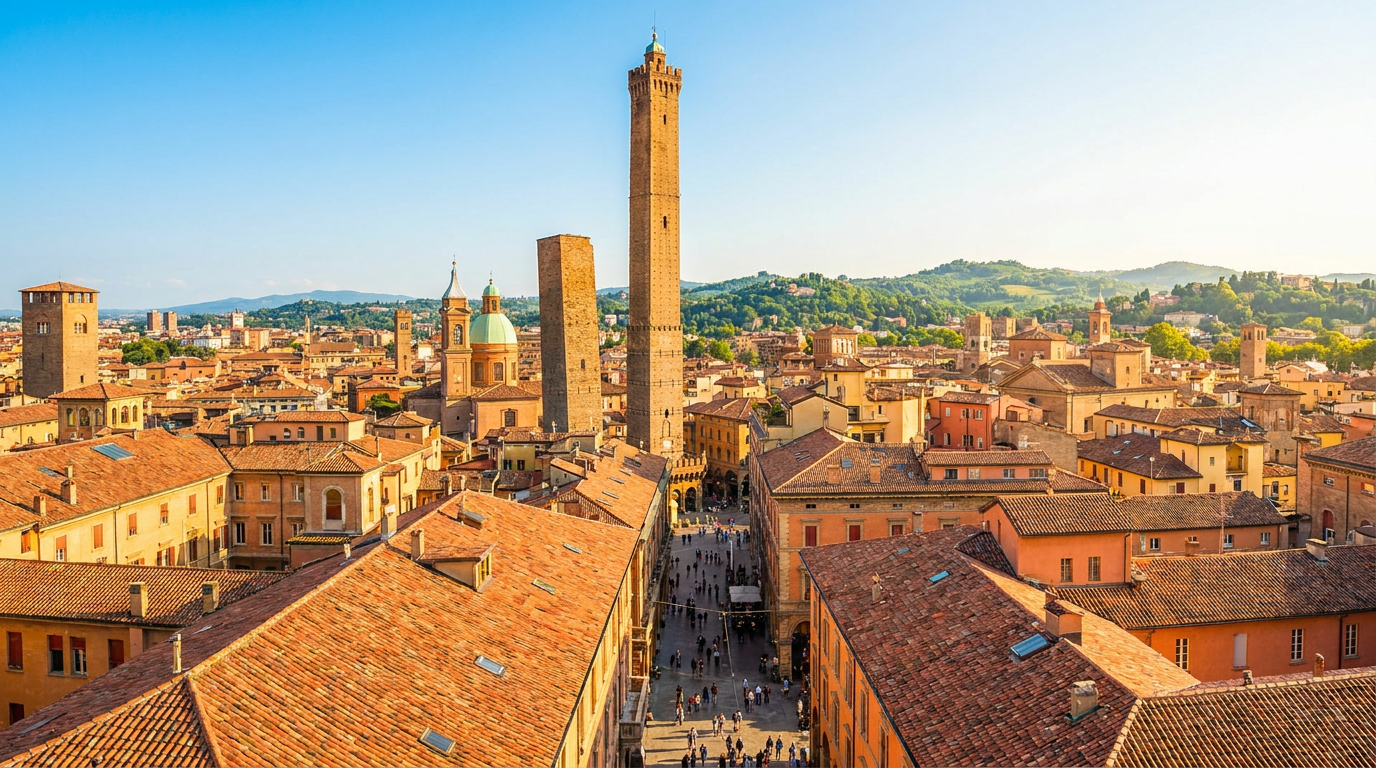
Bologna
The world's oldest university (1088) in a vibrant, affordable, food-loving student city in the heart of Italy.
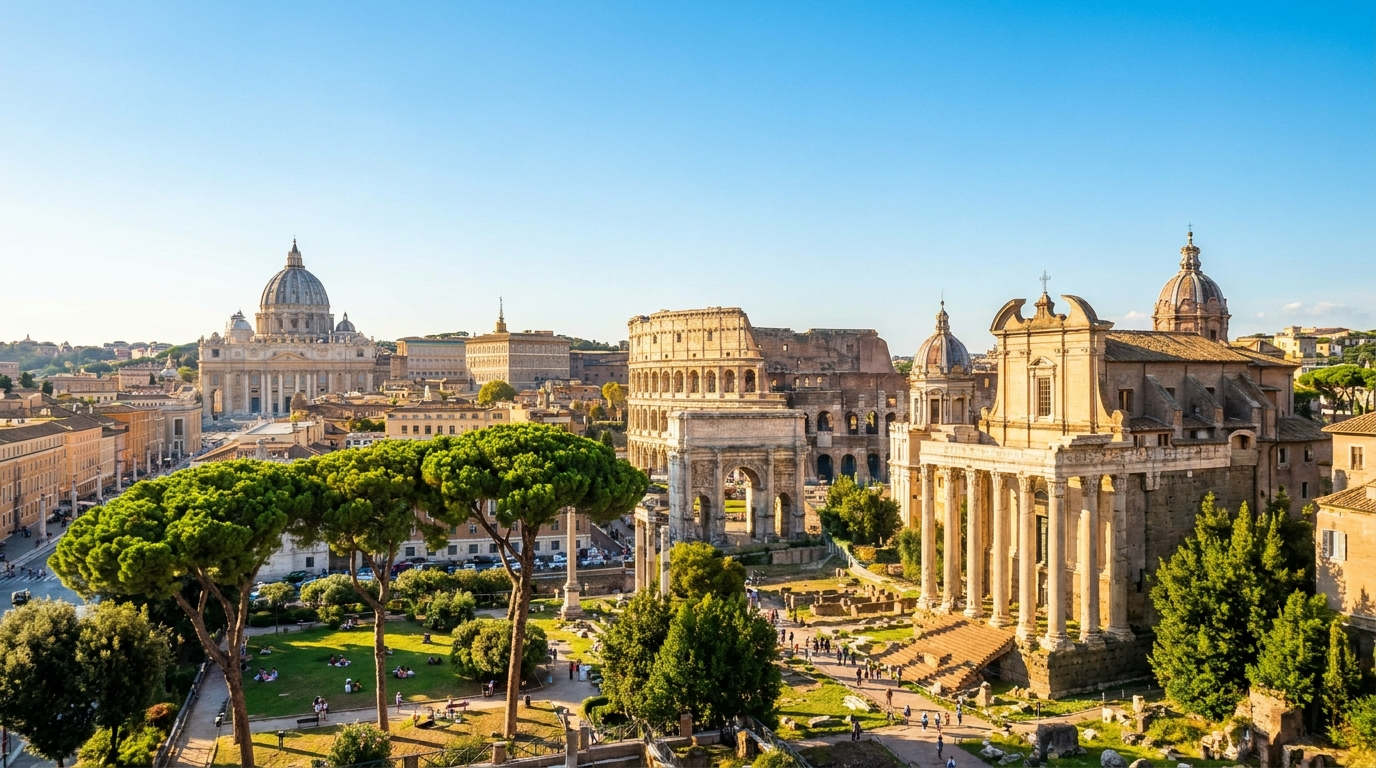
Rome
Sapienza — one of Europe's largest universities — in the eternal city, with archaeology, classics, and the arts.
The visa,
step by step.
EHEC manages your visa end-to-end. We assemble your document checklist, open and verify your blocked account, arrange tax-compliant financial proofs, book your embassy appointment, and run mock interviews until you walk in confident.
Ask the expertPre-enrol on Universitaly
Pre-enrol through the Universitaly portal and secure your university's acceptance — the mandatory first step.
Proof of funds
Show around €6,800/year plus accommodation. We prepare your financial documentation.
Type D student visa
Apply at the consulate, then request your residence permit (permesso di soggiorno) within 8 days of arrival.
Job-search permit
Graduates convert to a 12-month permit to look for work or start a business in Italy.
Public tuition is income-scaled — often €900–2,500/year, up to €4,000 at top public universities. Private schools (Bocconi, Polimi design) cost more. Living runs €700–1,100/month outside Milan.
Italian university cities are safe and welcoming, with student healthcare (around €150/year registration) and large, lively international communities.
Yes — up to 20 hours/week (1,040 hours/year). Tutoring, hospitality, and design internships are common.
The 12-month job-search permit plus strong demand in design, fashion, automotive, and finance make outcomes good — Italian helps for many roles.
Not for English-taught programmes, but A2–B1 Italian transforms daily life and local job prospects. We build language prep into the plan.