Why South Korea.
South Korea blends top-ranked universities with a hyper-connected, dynamic culture and global tech giants like Samsung and LG. Generous scholarships (GKS), a growing English-taught catalogue, and a post-study job-seeking visa make it one of Asia's most exciting study destinations.
Ask the expertSKY & beyond
Seoul National, Korea, and Yonsei ('SKY') rank among the world's best, strong in tech and business.
GKS scholarships
The Global Korea Scholarship fully funds tuition, living, language training, and flights.
K-tech on the doorstep
Samsung, LG, and Hyundai recruit on campus — engineering, IT, and design careers at the source.
Growing English degrees
An expanding set of English-taught programmes, plus free Korean language support.
Stay to work
The D-10 job-seeking visa lets graduates remain to find work in Korea's economy.
Search the best
in South Korea.
Choose what matters to you. We'll open the university list pre-filtered to exactly that.
When you can
begin.
The main intake — the traditional Korean academic-year start.
A strong second intake at most universities.
What it really
costs.
South Korea offers top-ranked degrees and K-tech access at moderate cost, with generous scholarships. Use this as a planning guide.
* The Global Korea Scholarship covers tuition, living, language training, and flights for selected students.
Cost of living
Seoul is the priciest; Busan, Daejeon, and other cities are cheaper. Subsidised dorms, well-paid part-time work, and GKS/university scholarships make Korea affordable in practice.
Funding that
follows merit.
Where you'll
live & study.
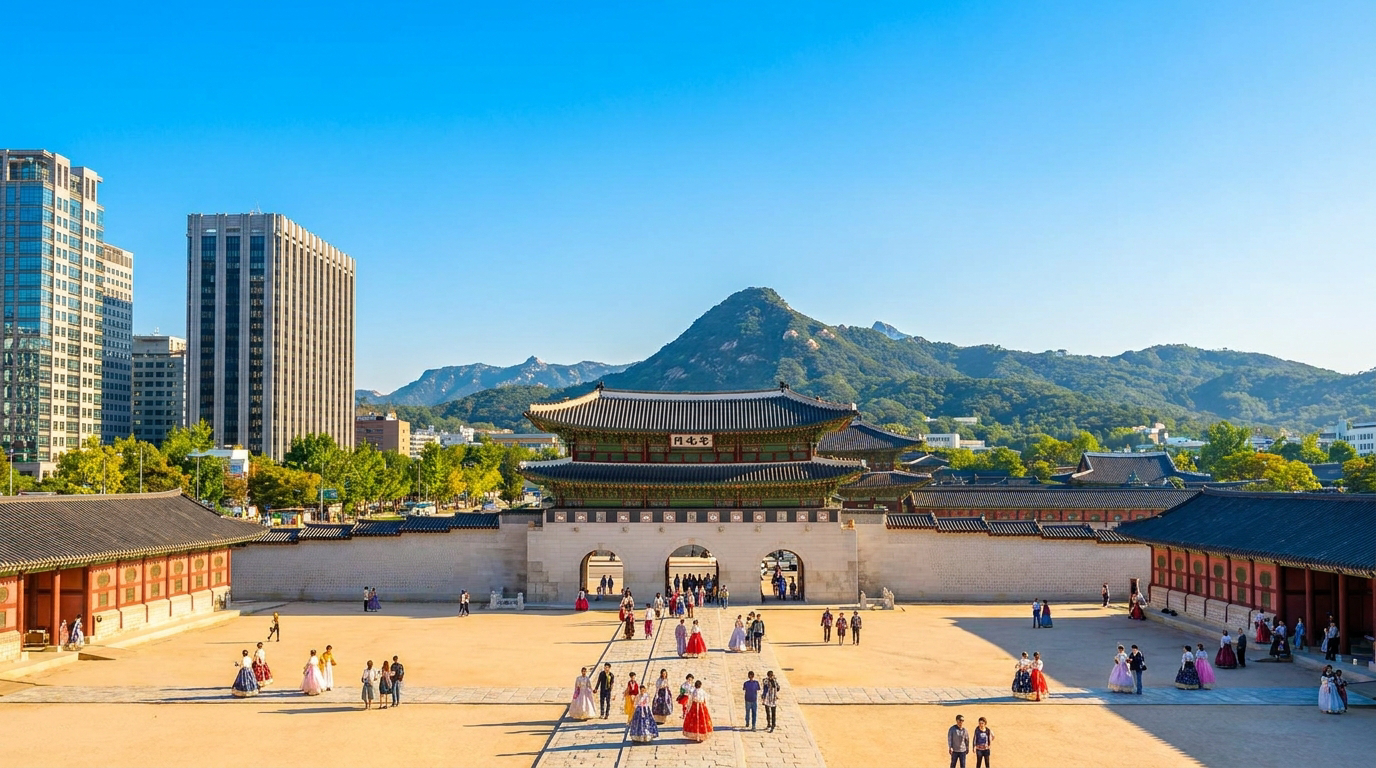
Seoul
Home of the SKY universities — a hyper-connected megacity of palaces, K-culture, and global tech HQs.

Busan
Korea's second city — beaches, a huge port, and a relaxed coastal pace around Pusan National University.
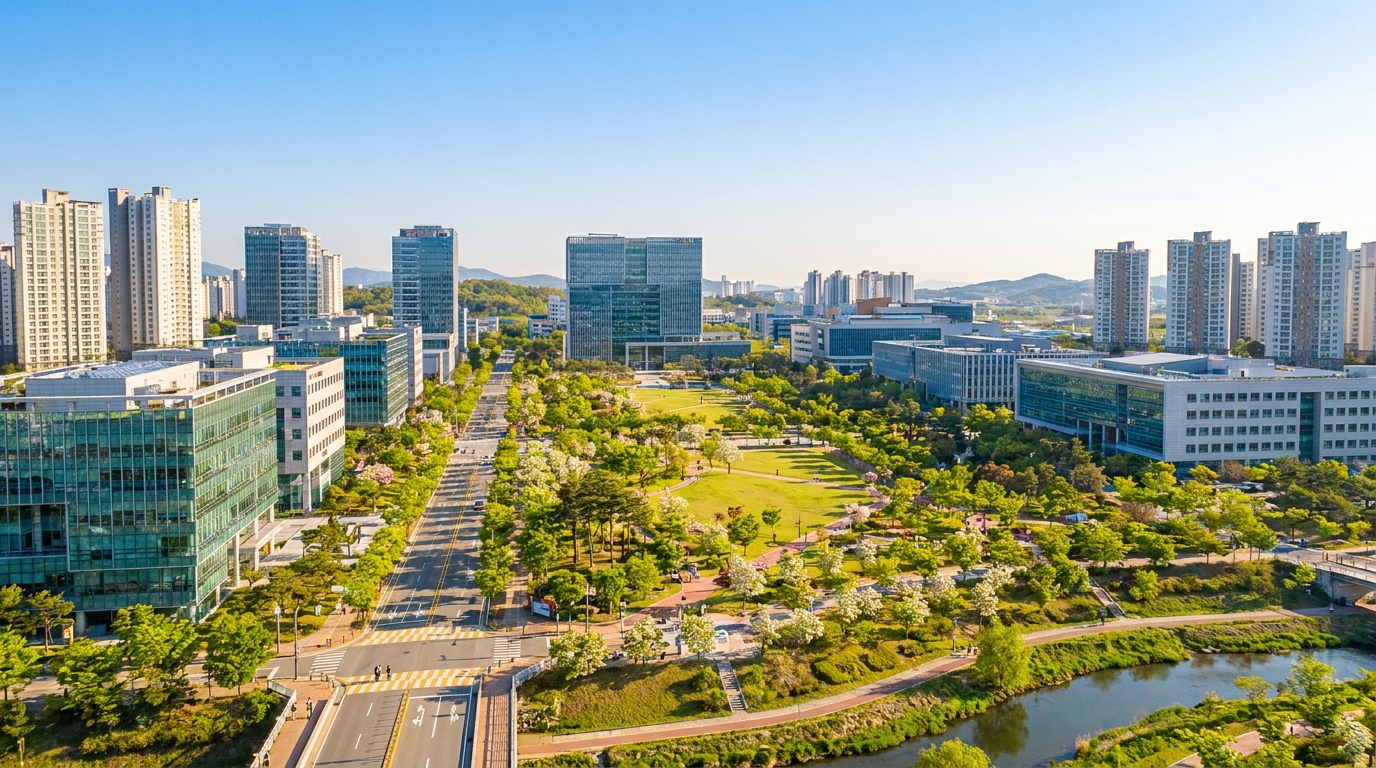
Daejeon
Korea's science capital — home to KAIST and a cluster of research institutes and tech firms.
The visa,
step by step.
EHEC manages your visa end-to-end. We assemble your document checklist, open and verify your blocked account, arrange tax-compliant financial proofs, book your embassy appointment, and run mock interviews until you walk in confident.
Ask the expertAdmission & standard admission letter
Secure your place — the basis of the D-2 student visa.
Proof of funds
Show funds for tuition and living (or your GKS award). We prepare the documentation.
D-2 student visa
Apply at the Korean embassy; register for your ARC after arrival.
D-10 job-seeking visa
Graduates switch to the D-10 visa to find work in Korea's economy.
Tuition is KRW 4–9 million/semester (≈USD 3,000–6,500); living KRW 1.0–1.6 million/month. GKS and university scholarships cut this sharply.
South Korea is very safe, with excellent healthcare, transport, and strong international-student offices.
Yes — up to 20–25 hours/week during term with permission, more in holidays.
The D-10 visa plus demand from tech and engineering giants make outcomes strong; Korean strongly helps employment.
Not for English-taught programmes, but Korean transforms daily life and jobs — and universities offer free classes. We plan it in.